





By GAGE WILSON
For Glasgow News 1
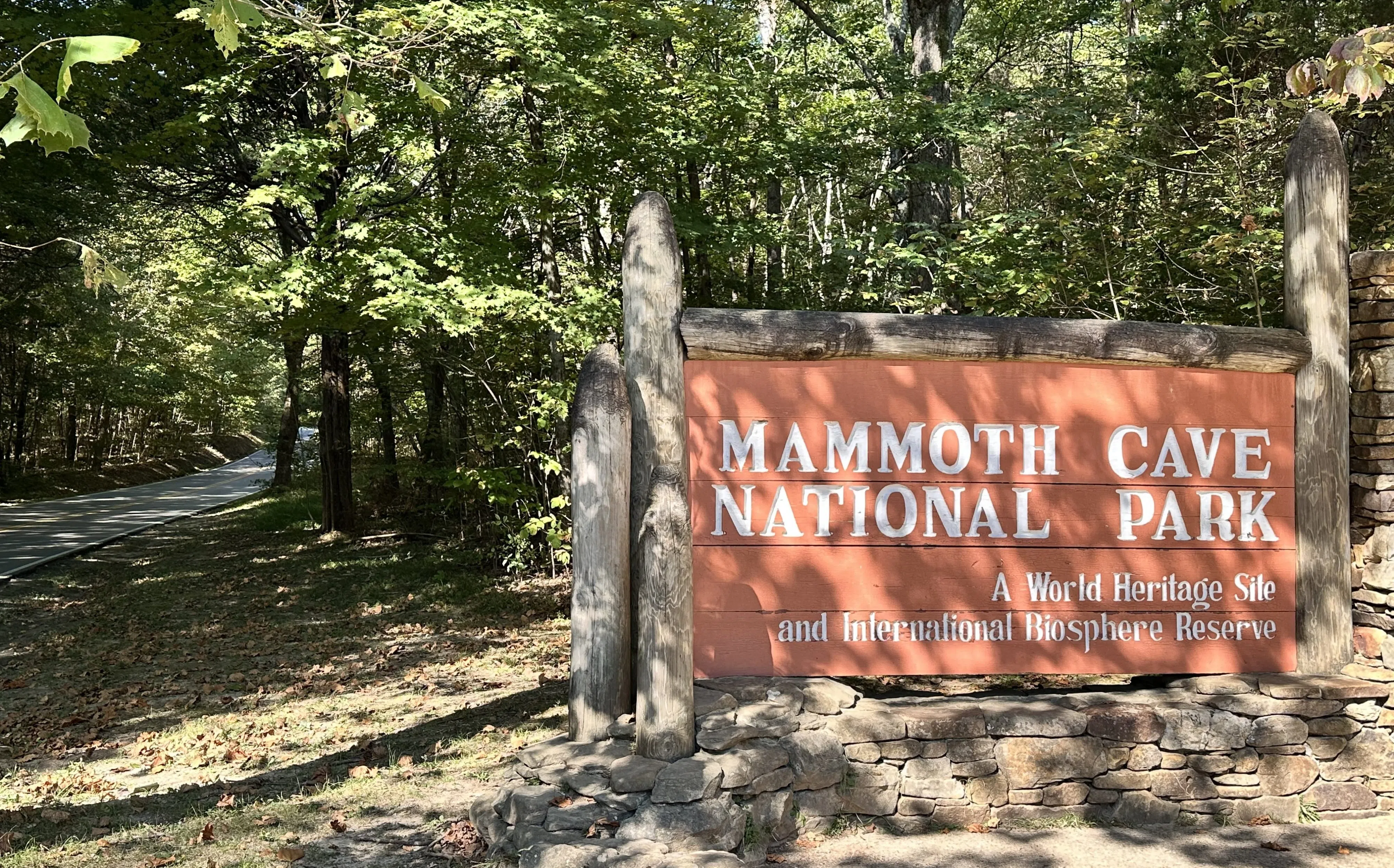
Long before it became a bucket-list destination for travelers from around the world, Mammoth Cave National Park belonged to the people and stories of south-central Kentucky. Now, 85 years after its official establishment as a national park, Mammoth Cave remains both a local landmark and an international wonder.
Officially established on July 1, 1941, the park is marking its 85th anniversary this week, celebrating not only its legacy as the world’s longest known cave system but also the generations of exploration, preservation and community support that have shaped its history.
Today, the park spans more than 53,000 acres across Edmonson, Barren and Hart counties and continues to draw hundreds of thousands of visitors each year.
“The July 1 anniversary marks Mammoth Cave National Park’s 85th birthday, a reminder of more than eight decades of hard work and achievement,” said park management analyst Molly Schroer. “Since the park was established in 1941, scientific research has grown, resource protection has strengthened, and millions of visitors have had the chance to explore the vast and remarkable cave systems beneath our feet.”
Since its establishment, Mammoth Cave has grown into an internationally recognized destination. The park was named a UNESCO World Heritage Centre World Heritage Site in 1981 and later became an International Biosphere Reserve in 1990, cementing its importance as both a tourism destination and a site of global ecological value. Explorers have continued mapping new passages over the decades, expanding the known cave system to more than 430 miles.
Still, the story of Mammoth Cave began long before federal protection. Human history in the region stretches back thousands of years, with evidence of Late Archaic and Early Woodland peoples that all played a role in shaping the cave’s history.
“People from the Late Archaic and Early Woodland period and European and African Americans cultures have all played vital roles in the discovery and development of Mammoth Cave as a tourist destination,” Schroer said. “With every visitor, explorer, and guide we add a new chapter to its story.”
That connection between the cave and the people around it remains central to the park today. The creation of the park itself depended heavily on surrounding communities, including families who sold or gave up land to help establish the national park.
“Mammoth Cave National Park depends on neighboring communities and partners to help create an outstanding experience for hundreds of thousands of visitors annually,” Schroer said. “Our partnerships with local communities, partners and Tribal Nations have grown stronger and more intentional, helping us tell a fuller and ever-evolving story of Mammoth Cave.”
Visitation has steadily increased in recent years, and many visitors are now coming for more than cave tours alone, according to Schroer. Activities such as hiking, biking, canoeing, fishing and camping have become major draws as visitors explore the park’s forests, rivers and trails above ground in addition to the cave system below.
Looking ahead, Schroer said the park’s mission remains rooted in preservation and discovery.
“We hope that Mammoth Cave National Park can continue to be a place of protection, study, discovery and inspiration for generations to come,” she said.
For Kentuckians who have yet to visit, Schroer said one of the park’s greatest strengths is its accessibility.
“Mammoth Cave National Park blends unique underground adventures with the beauty of the forests, rivers, and trails above it, and it is just a short drive for most Kentuckians,” she said. “No one has to travel far to experience something that is extraordinary.”
KEY FACTS
• Mammoth Cave National Park is celebrating its 85th anniversary this week.
• The park was officially established on July 1, 1941.
• It now spans more than 53,000 acres in Edmonson, Barren and Hart counties.
• More than 430 miles of the cave system have been mapped.
• Mammoth Cave is a UNESCO World Heritage Site and International Biosphere Reserve.
• Officials say visitation is growing for both cave tours and outdoor recreation.
• Park leaders credit local communities and partners for helping sustain the park.
• Human history at the site stretches back thousands of years.






Comments