(WCLU NEWS FILE PHOTO)
STORY BY ANGELA BRIGGS, special to WCLU News
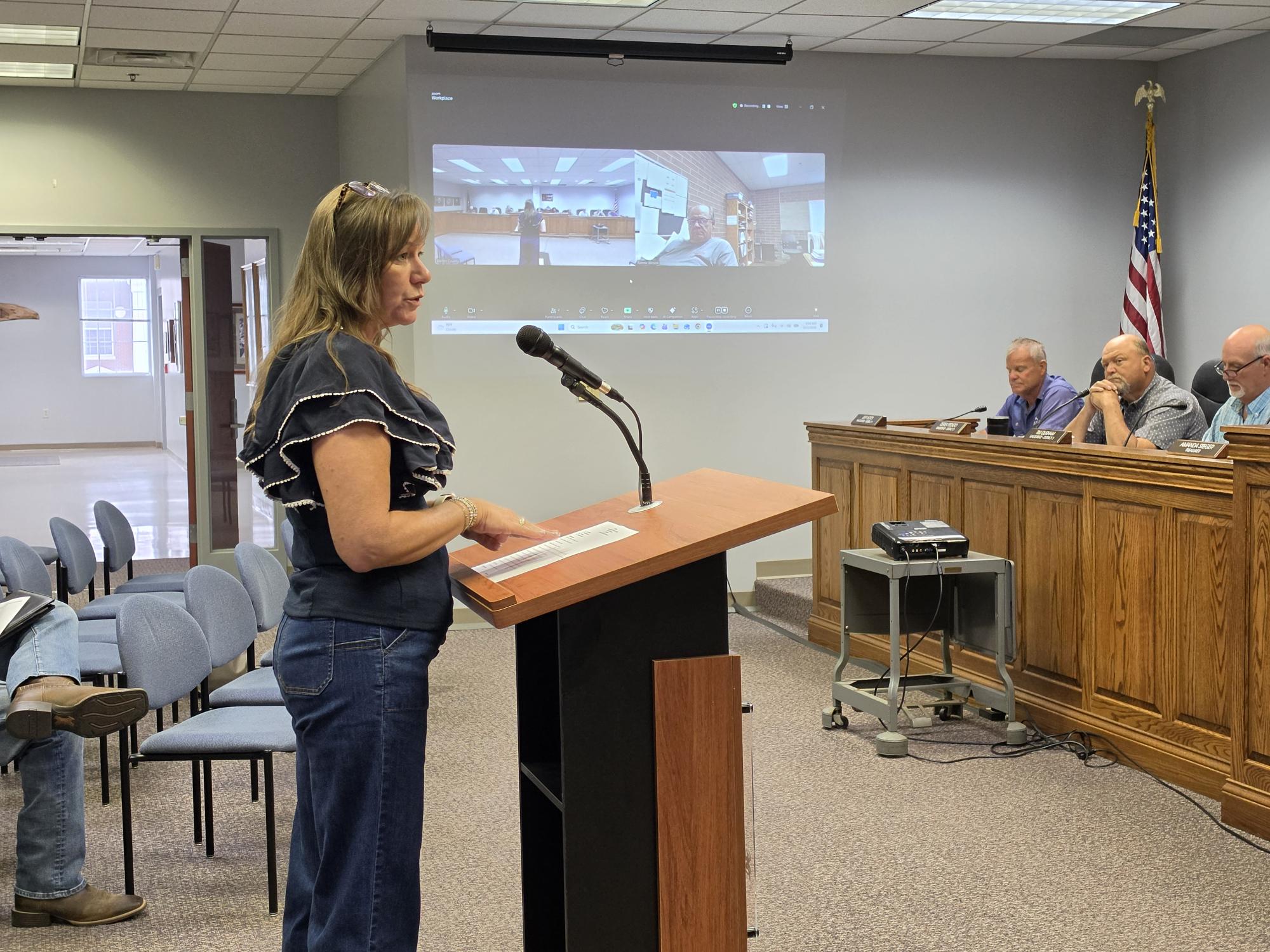
GLASGOW — Senator Rand Paul spoke with local businesses and community members last Friday during a roundtable discussion held near downtown.
Paul’s talks centered around impacts to businesses across Kentucky, especially now during a time marked by inflation and increasing prices of goods. He said one step toward correcting its impact on lives is to identify its cause – decreased supply and increased demand.
“We have to agree on the cause of inflation if we are ever going to fix it,” Paul said.
Senator Paul said the shortage of workers in healthcare and other industries often happens in cycles. Local healthcare has seen a decline in its workforce since the pandemic’s onset.
A lack of employees also creates a decrease in supply, though increases in demand continue.
“Inflations cause people to make miscalculations. We’re in a boom right now, and people think ‘I’ll invest more. I need five new truckers,’” Paul said. “What happens if we tip the balance in six months. Then you have five truckers too many.”
A representative from Akebono, a Glasgow-based automotive parts factory, said employees with higher end skillsets are a struggle to find. Those candidates also tend to seek higher paying jobs elsewhere.
The senator said high school students should be steered toward trade professions, which could be a solution to the problem.
Tony Hodges, a representative of Amneal Pharmaceuticals, told the senator about significant increases their business has seen in supply chain issues. Certain freight carriers have skipped east coast ports completely due to congestion. The actions have left some industries in a worsened position.
Rising fuel costs and worker shortages also impact the logistics industry, which translates its cost to consumers. Paul said discussions about lessening CDL requirements could lead to an increase in potential drivers.
Heftier unemployment checks, which were disbursed throughout the height of the pandemic, have stopped. Many continue to be without work, which means it could be harder to get rehired. Studies show those out of work longer are less likely to get hired.
Paul described “big heart, small brain syndrome” – when actions intended to help people have unintended harmful impacts on them.
As for the federal budget, a major talking point for the senator surrounded the growing debt.
“You can’t bring in $3 trillion and spend $7 trillion,” he said.
A large chunk of the national debt is owned by foreign countries and the Federal Reserve.
Aside from the economic and employment troubles across much of the country, mental health concerns continue to be on the minds of leaders. Tara Bailey, director of the Barren County YMCA, asked the senator about ways to address the impact children have felt due to prolonged shutdowns the last two years.
“We have to have resources – most of it state probably and some federal,” he said. “I think part of the answer is don’t put kids at home for a year or two without it.”
The YMCA boasts the largest children’s summer camps across the country.
Others in attendance included healthcare, community welfare and government representatives.