




GLASGOW, Ky. – The finance committee of the Glasgow City Council is seeking the public’s opinion regarding a proposed occupational tax rate increase.
The finance committee met Wednesday evening to discuss possible revenue options to help cushion the city’s budget moving ahead. The budget is facing major losses due to hits in the occupational tax collected from those that work in Glasgow.
The city collected approximately $7,736,000 in payroll tax during the 2019-20 fiscal year, which was taken from nearly $515,734,000 of Glasgow’s gross wages. However, due to COVID-19’s impact on the community, the revenue lost in the second quarter of 2020 is estimated to be about 12.5 percent.
“If the occupational tax rate is not increased, we will see a sizable reduction in occupational tax revenue in FY 20/21,” said a document written by Glasgow occupational tax administrator Brandon Kerney.
The fiscal year, which began July 1, faces a $1.4 million shortfall.
The city hopes to instate an occupational tax increase to help bridge the shortfall in the coming fiscal years. Due to carryover and “spare” monies allotted in the budget, the city has supplemented the budget with money from the Landfill Fund.
Last fiscal year’s budget was 69 percent funded by the occupational tax.
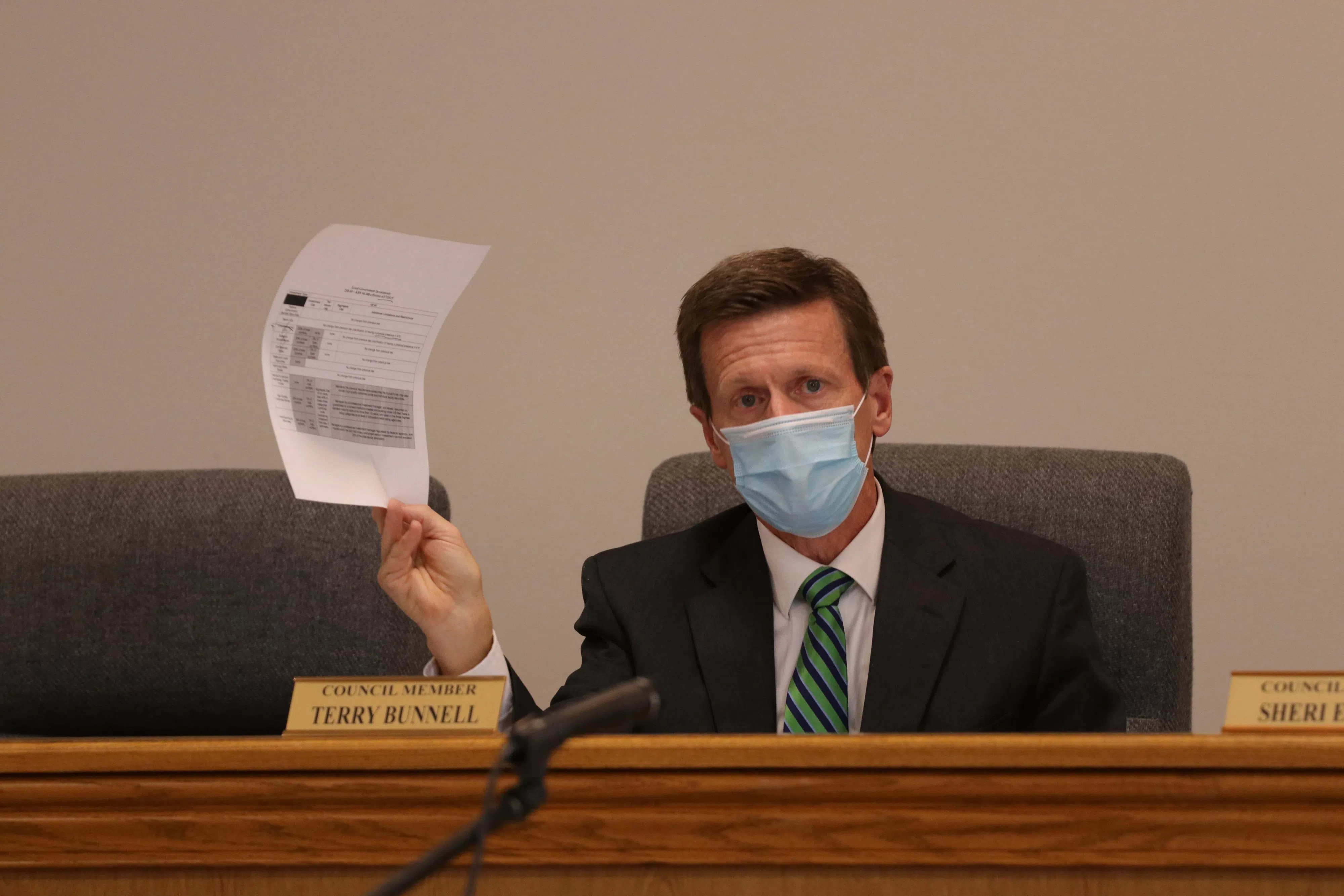
About 37 percent of Glasgow’s population generates the total occupational tax collection, according to Councilperson Terry Bunnell. The city estimates 2,800 people commute into the community for employment.
Bunnell said the goal of the occupational tax collection increase would be to supplement the budget that has suffered due to job loss and COVID-19, but it would also allow the city to provide apt services.
“It’s about Glasgow, and if we’re going to continue to provide the services and look to expand services, we’ve got to have revenue sources,” Bunnell said.
The city’s investment to retirement will continue to grow, Bunnell said. The committee is also seeking revenue sources to fund that expense. But without an increase in occupational tax, the result could mean cuts in services provided to citizens.
“Are going to cut a firefighter? Are we going to cut a police officer? Cut someone at the landfill? Cut the street department? Are going to go to a volunteer fire department? Are we going to pick up trash every other week?” Bunnell said. “So, tough decisions have to be made, but this about your city.”
Other cities across the commonwealth have adopted occupational taxes throughout the years, and some are much higher than the finance committee has proposed. The proposition is to increase the rate by .25 percent, which would make the new rate 1.75 percent.
Bowling Green’s rate is 1.85 percent; Frankfort, 1.95 percent; Richmond, 2 percent.
A person earning $22,000 would see a $55 annual tax increase from their wages, which equates to about $1 per paycheck if paid weekly, Kerney said.
If the Glasgow City Council voted to adopt an increase in the rate employees would likely not feel the impact until Jan. 1, 2021.
The .25 percent increase would generate approximately $1.1 million more in revenue for the city if taxed for an entire fiscal year, but the start of a new tax rate on Jan. 1, 2021 does not align with the fiscal year, which begins July 1 of each year.
The finance committee plans to hold two meetings to hear from the public. Those meetings are Aug. 3 and 6 at Glasgow City Hall inside the council chambers. The meetings begin at 6 p.m.


