





By MICHAEL CRIMMINS
Glasgow News 1
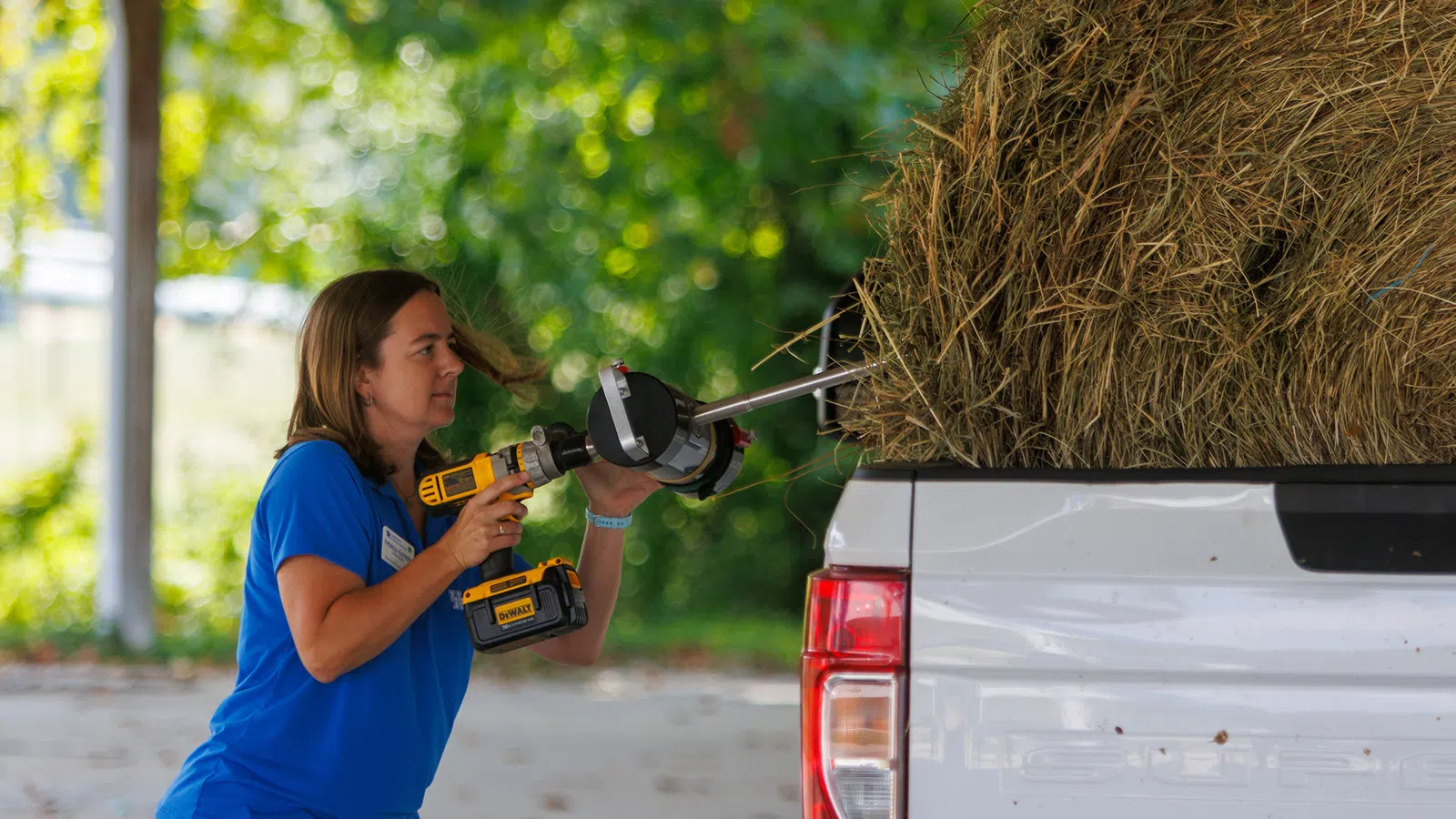
Livestock owners and farmers now have a way to test the nutritional content of their feed thanks to the fully operational Forage Testing Program.
The program is a collaboration between the University of Kentucky Division of Regulatory Services, the Kentucky Department of Agriculture and the Cooperative Extension Service.
Extension Agent for Agriculture and Natural Resources Chris Schalk said both the University of Kentucky and Kentucky State University, which recently expanded into Barren County, can offer ” comprehensive nutritional analysis of forages.” While agriculture community members can send samples to Lexington, Schalk said local options make getting results faster.
“This will be a tremendous benefit to livestock and hay producers in the state,” Ray Smith, Extension forage specialist, said. “Having this testing at the same location as UK Soil Testing offers a user-friendly format and quick turnaround. It also facilitates county Extension agents working with specialists to explain the results to their clients.”
To know how to best use hay to meet a horse’s nutrient needs, UK associate professor and equine nutrition specialist Bob Coleman says horse owners need a forage analysis.
The program’s analysis costs $22 per sample for a standard test, according to a Kentucky Department of Agriculture press release. Optional wet-chemistry mineral analysis is available for an extra price, the release stated.
“Once testing is complete, a process that averages three business days, producers can work with their local Extension agents to interpret the results and balance rations for ruminants or equines,” the UK Martin-Gatton College of Agriculture, Food and Environment stated.
Trial testing for this program began in September 2025 with support from the Kentucky Agricultural Development Fund.





Comments