





STAFF REPORT
Glasgow News 1
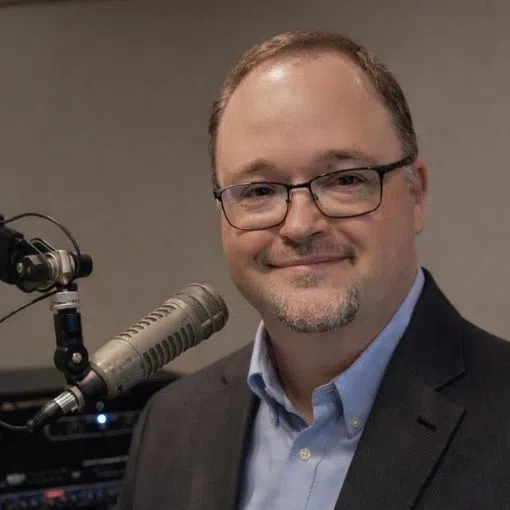
Barren County Schools counseling services coordinator Chele Gillon is urging adults and students across the community to take an active role in watching for mental health warning signs and reaching out to those who may be struggling.
Gillon described her district’s guiding idea that “we’re all on duty” when it comes to protecting students and staff. She said the phrase grew out of work she and colleague Lori Downs did while studying research by clinical psychologist Dr. Peter Langman, who has examined the behavior of past school shooters to identify patterns and warning signs.
“It takes all of us to watch out for each other. We’re all on duty, right? We’re all on duty; every person, parent, student, community member,” Gillon said during a recent interview on WCLU.
She said that while that research focuses on worst case scenarios, its most important lesson for schools and communities is the need to be proactive. That means noticing signs of distress or crisis early, and stepping in to connect a person with help and support.
Watch for changes from a person’s ‘baseline,’ Gillon said. “Withdrawing from friends, withdrawing from family, just not being involved… just like, I don’t care what’s going on, I don’t care about me or anybody else.”
Warning signs can include changes in appearance, such as a student who no longer seems as put together as usual, or someone who appears very tired. Other signs may be not eating or overeating, withdrawing from friends and family, or showing a flat, sad affect.
“That three-word question, ‘Are you okay?’ is one of the most important questions we can ask another human being,” Gillon said is one of the best ways to open communication with someone who appears to be in trouble.
Even if the person is not ready to open up, she said, they still receive the message that someone noticed and cared enough to ask.
Gillon also said the value of everyday connections in schools, such as teachers greeting students at the door and principals making sure no student slips through the cracks, are critical. She said picking out even a few students who seem to have no friends and making a point to talk with them between classes can make a difference.
She also said social media can be both helpful and harmful.
“Social media can be a wonderful tool… but there’s a dark side, just like everything else… especially for our kids, those vulnerable ages, where they believe everything they see on there,” Gillon said.
Students sometimes “leak out” distress through social media posts or images that hint at deeper struggles. In those cases, Gillon encourages peers to pass concerns along to a trusted adult so the student can get help.
Listen to the full interview below.
Key facts:
• Barren County Schools counseling services coordinator Chele Gillon is stressing a “we’re all on duty” approach to student mental health.
• Gillon says everyone in the community should watch for changes from a person’s normal behavior and ask, “Are you okay?”
• Possible warning signs include withdrawing from friends and family, appearing unusually tired or unkempt, and changes in eating or attitude.
• Gillon says peer connections and welcoming new or frequently moving students can help them feel accepted and less isolated.
• She warns that social media can have a dark side for vulnerable teens and says time away from phones may benefit students.
• Gillon encourages simple acts of kindness, daily check-ins and intentional face-to-face conversations as low-cost ways to support mental health.




Comments