





By MICHAEL CRIMMINS
Glasgow News 1
Today is New Year’s Eve and for many people that means a night of Black-eyed peas, watching the ball drop in New York City and singing Auld Lang Syne — a song whose tune is familiar to many and has become synonymous with the New Year. Though it is closely linked with the holiday, where does it come from?
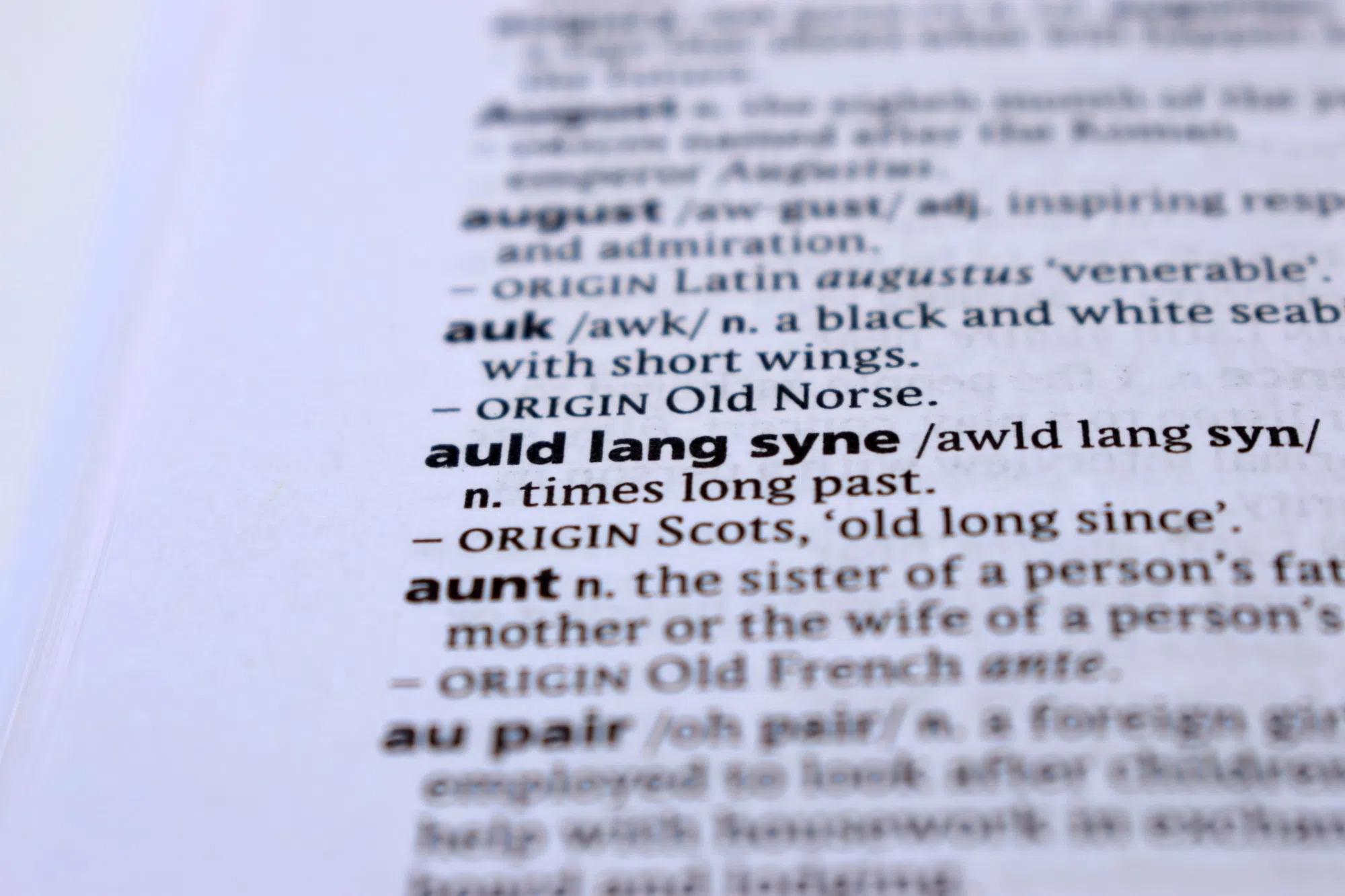
Auld Lang Syne means “times long past” or “for old times’ sake,” according to the Oxford Languages. It is a Scottish song with words credited to Robert Burns, who was the national poet of Scotland, though the specific composer is unknown, Encyclopedia Britannica stated. Burns wrote the poem in 1788 and sent it to the Scots Musical Museum, “indicating that it was an ancient song but that he’d been the first to record it on paper,” Scotland.org stated.
The poem did not widely appear in print until 1796, after Burns’ death, according to Encyclopedia Britannica.
“The lyrics are about old friends having a drink and recalling adventures they had long ago,” Britannica stated. “[However] there is no specific reference to the new year.”
After the familiar tune was paired with the poem in 1799, and was reprinted in the nineteenth century, it became part of the Scottish New Year’s celebration — called Hogmanay, according to Britannica. Canadian-born Guy Lombardo helped make Auld Lang Syne a New Year’s Eve staple in North America by playing the song on a radio, and later television, broadcast.
English version of Auld Lang Syne:
Should old acquaintance be forgot,
And never brought to mind?
Should old acquaintance be forgot,
And old lang syne?
(Chorus)
For auld lang syne, my dear,
For auld lang syne,
We’ll take a cup of kindness yet,
For auld lang syne.
And surely you’ll buy your pint cup!
And surely I’ll buy mine!
And we’ll take a cup o’ kindness yet,
For auld lang syne.
We two have run about the slopes,
And picked the daisies fine;
But we’ve wandered many a weary foot,
Since auld lang syne.
We two have paddled in the stream,
From morning sun till dine;
But seas between us broad have roared
Since auld lang syne.
And there’s a hand my trusty friend!
And give me a hand o’ thine!
And we’ll take a right good-will draught,
For auld lang syne.


Comments