


(WCLU NEWS FILE PHOTO)
BY KAITLYN FOWLER, The Lebanon Enterprise via the Associated Press
Summer is starting up, which means ticks are in-season.
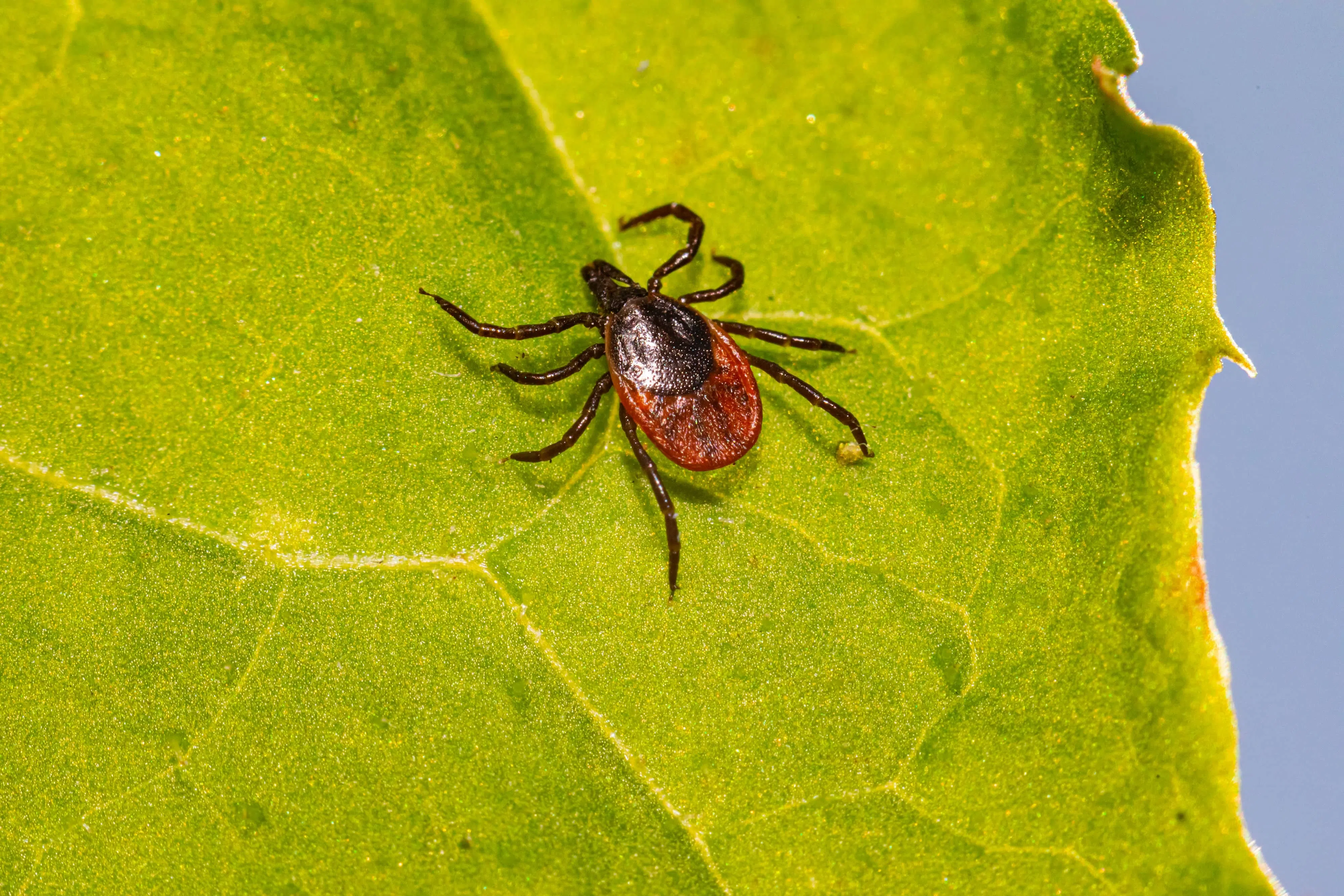
There are a few different types of ticks popular in our area: the Blacklegged tick (also known as deer ticks), the American dog tick, and the Lone star tick. In Kentucky, 10% of ticks carry a pathogen that causes diseases like Lyme disease, Rocky Mountain spotted fever, and alpha-gal, which causes an allergy to red meat.
“Lyme disease is the most common serious illness associated with ticks in Kentucky,” said Melissa Phillips, harm prevention specialist with the Lincoln Trail District Health Department. However, if a tick gets embedded but is removed within 36 hours, you have a better chance of not becoming ill.
“Diagnosing a tick-borne illness can be difficult; it is advised to go see your physician if you develop flu-like symptoms days after a tick bite or the area the tick bit begins to expand,” said Phillips.
There are a few different ways to help prevent ticks. First off, choose a repellant containing Deet, picaridin, Oil of Lemon Eucalyptus (OLE), or paramenthane-diol (PMD). Do not use repellant products that contain OLE or PMD on children under the age of 3, said Phillips. Another prevention tip to help against ticks is wearing light-colored long-sleeved shirts and long pants tucked into socks.
Some common locations to check for ticks are behind the knees, around the waist, the groin, under the arms, in or around the ears, and on the neck. If you find a tick embedded in you, grasp it as close to the skin as possible with tweezers and pull it straight out. Try not to twist the tick. Then wash the bite area with soap and water. Home remedies such as alcohol, liquid soap, or matches should not be used when removing a tick.
After removing the tick, there are several ways to dispose of it. According to the Centers for Disease Control and Prevention, putting the tick in alcohol, placing the tick in a sealed bag or container, wrapping it tightly in tape, and flushing it down the toilet are ways you should dispose of a tick. One way you shouldn’t dispose of a tick is by crushing it with your fingers.
The University of Kentucky is conducting research on ticks found in the state. If you wish to participate in the study, follow these guidelines:
For safety and successful testing, do not:
- Mail-in live ticks
- Send ticks in paper envelopes alone
- Ship samples with alcohol in them
- Squish ticks between pieces of tape
Before preparing the sample, you must fill out the submission form. Samples received without this form will not be processed.
https://entomology.ca.uky.edu/files/tick_submission_information_form.pdf
Next, you can prepare the specimen for shipment.
You will need the following supplies:
- 91% isopropyl alcohol (can be found at nearly any pharmacy)
- One hard plastic container, for example, pill bottles with identifying info removed, small plastic travel jars, etc.
- Tweezers
- One plain cotton ball
- Two Ziploc bags
- A padded envelope
Step 1
Take your hard plastic container and pour alcohol into the container. You only need to pour in enough liquid to submerge the tick.
Step 2
Use the tweezers to pick the tick up and submerge in the alcohol inside of the container. Leave the tick submerged in alcohol for 24 hours.
Step 3
After 24 hours, pour the excess alcohol out of the container into a waste receptacle. There should be no liquid alcohol left. Next, take a cotton ball, or a cut-off section of cotton ball, and stuff it into the container.
Step 4
Seal the tick and cotton ball by closing the container lid. Take the closed container and insert it into a sealable Ziploc bag. Then, seal the Ziploc shut.
Step 5
The Ziploc bag that has the container with the tick and cotton ball in it will then itself be inserted into a second sealable Ziploc bag which is also sealed shut. This double bagging helps preserve the sample. The sample is now ready for shipping.
Insert the double-bagged sample into a padded envelope. Ship the padded envelope and contents to this address:
Tick Surveillance Program
C/O Subba Palli
Department of Entomology
S-225 Ag Science Center N
Lexington, KY, 40546-0091